
Aged Care Cleaning
Sydney.
Cleaning for residential aged care homes and retirement living across Sydney — built around resident dignity, infection prevention and the daily rhythm of a care facility.
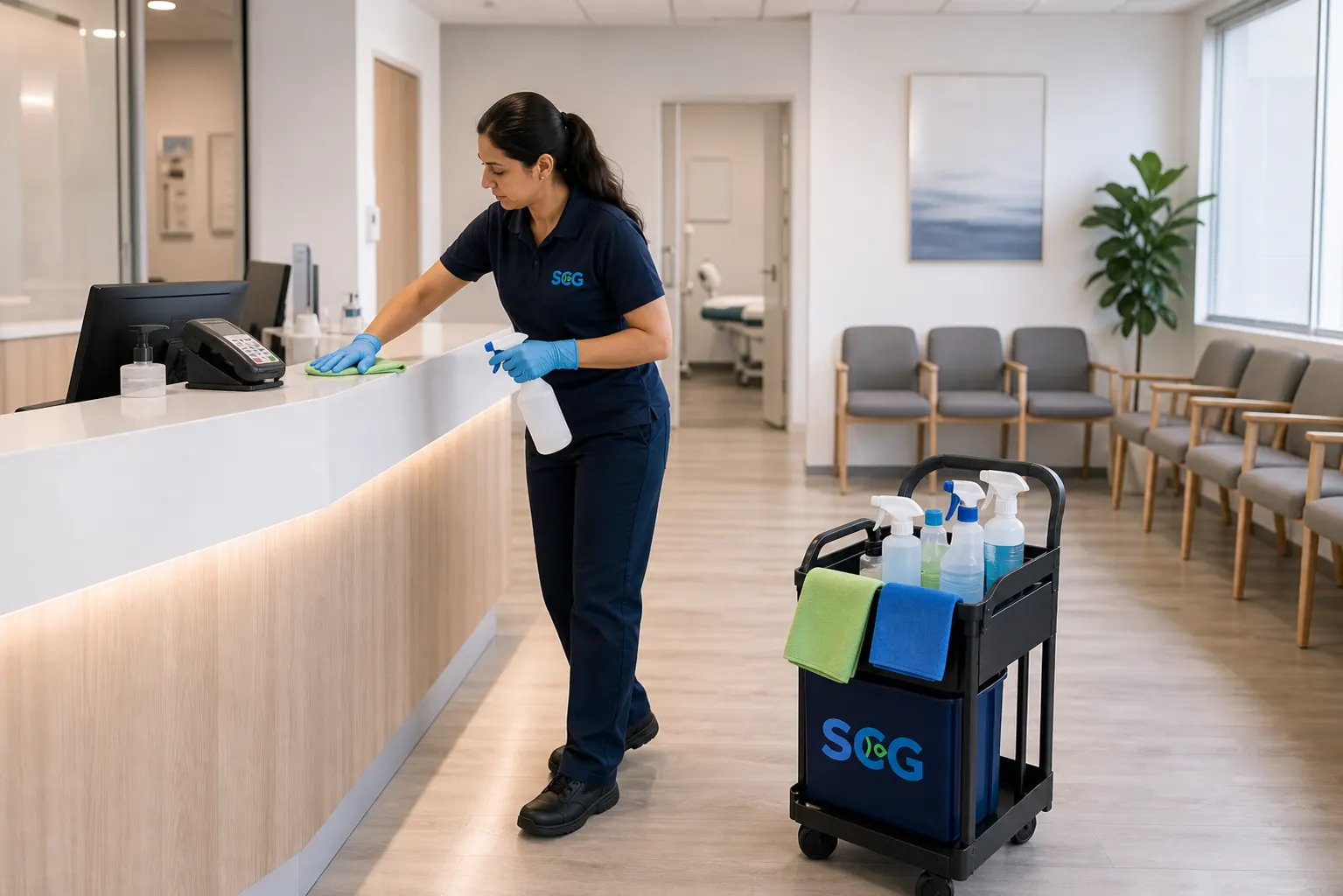
Cleaning built around residents, not just rooms
Sydney Clean Group cleans residential aged care homes and retirement living villages across Greater Sydney from our base at 77 Garfield Street, Wentworthville NSW 2145. An aged care facility is a home first and a building second — cleaning has to happen without disrupting the residents who live there, in rooms that are also private bedrooms, around a population where infection spreads faster and recovers slower.
The Aged Care Quality Standards set out what an approved provider must maintain: a safe, clean, well-maintained and comfortable environment that supports each resident's independence, and infection prevention and control practices appropriate to a high-risk population. A cleaning contractor doesn't hold that standard on the provider's behalf — the facility does — but a cleaning programme is one of the ways a provider demonstrates it is meeting the environment and infection-control expectations at review.
We work within the facility's own infection control plan rather than bringing a generic commercial routine into a resident's home. That means agreed entry protocols for private rooms, colour-coded equipment that never crosses between resident rooms, communal areas and clinical support spaces, and a clear, written line between general cleaning and any task that belongs to the care team.
Facilities that also support residents with a disability funding package can coordinate scope through our NDIS and disability support cleaning team so both arrangements sit under one point of contact.
Every area of your facility.
Resident Rooms & Personal Spaces
Private rooms cleaned on a fixed entry protocol — knock, announce, wait — with surfaces, floors and ensuite handled in a set order that respects the room as someone's home.
Dining Rooms & Communal Lounges
Tables, chairs, servery counters and lounge furniture cleaned between sittings, with a focus on surfaces shared by residents with reduced mobility and dexterity.
Corridors, Handrails & Common Areas
High-touch handrails, door furniture, lift buttons and nurse call points cleaned on a documented touchpoint frequency, not left to the general floor round.
Bathroom & Ensuite Sanitising
Shared and ensuite bathrooms cleaned with attention to grab rails, shower chairs and non-slip flooring, using methods suited to a resident population at higher fall risk.
Laundry & Linen Support Areas
Laundry and linen handling areas cleaned to keep clean and soiled linen paths separated, supporting the facility's own linen management procedure.
Waste Stream Boundaries
General waste and recycling handled to the facility's segregation system; clinical and continence waste streams are managed strictly to the facility's own procedure.
Why facilities choose us.
Works Around Care Routines
Cleaning is scheduled around mealtimes, medication rounds and personal care so residents are not disturbed and staff are not competing for the same space.
Consistent, Trained Crews
The same crew returns to the same facility wherever possible, so staff and residents see familiar faces rather than a rotating roster of strangers.
Written Scope & Frequencies
A documented scope of works with room-by-room frequencies gives facility management a clear record to support their own quality reviews.
Fully Insured, Police-Checked Staff
Every cleaner placed in an aged care environment is police-checked and trained before their first shift, and the contract is covered by public liability insurance.
Cleaning a home, not an office
The single biggest adjustment moving from commercial to aged care cleaning is that resident rooms are private bedrooms, not workstations. Our cleaners knock, announce themselves, and wait for a response before entering — and where a resident is present, work follows their preference for the visit rather than a fixed script. Personal items, photographs, mobility aids and furniture arrangements are left exactly as found.
Dignity considerations extend to timing as much as method. Cleaning is scheduled around meal service, medication rounds, personal care and rest periods that vary resident by resident, and the facility's care staff set that schedule — our crews fit around it rather than the reverse. A cleaner working through a corridor during a mealtime service, or vacuuming outside a room during a resident's afternoon rest, undoes the value of the clean regardless of how well the room itself was done.
Infection prevention in a higher-risk population
Aged care residents are, as a population, more vulnerable to respiratory and gastrointestinal illness and slower to recover from it, which is why the Aged Care Quality Standards place such weight on the physical environment and infection control. Outbreaks of influenza, gastroenteritis and, more recently, respiratory viruses spread fastest through shared dining rooms, lounges and high-touch surfaces — corridors handrails, lift buttons, nurse call buttons, door handles and shared remote controls.
Our cleaners follow a documented touchpoint schedule for these surfaces, separate from and in addition to the standard room and floor round, and colour-coded cloths and mops are allocated to resident rooms, communal areas, bathrooms and any clinical support space so equipment never carries contamination between zones. During a facility-declared outbreak period, frequency and touchpoint focus increase to match the facility's own outbreak management plan — we work to that plan rather than a generic escalation of our own.
What we do not do is diagnose an outbreak, manage isolation precautions, or decide when heightened cleaning starts and stops — those are clinical decisions that sit with the facility's care and infection control staff. Our role is to execute the environmental cleaning component of whatever plan the facility puts in place, reliably and on the record.
Communal dining and lounge areas
Dining rooms turn over several times a day and carry a different soiling profile to an office kitchen — spilled food, mobility aid contact points on tables and chairs, and a resident group where hand hygiene independence varies widely. Tables, chair arms, servery counters and condiment stations are cleaned between sittings rather than once at the end of the day, and floors are checked for spill hazards immediately after each meal service given the fall risk in this population.
Lounges and activity rooms are cleaned to keep shared furniture, television remotes, board games and activity equipment on a rotating disinfection schedule, because these are handled by many residents across a single day. We work with activities staff to time cleaning around scheduled programmes rather than interrupting a group activity partway through.
Laundry, continence and waste boundaries
Laundry support areas are cleaned to keep the path from soiled to clean linen separated, supporting whatever linen management system the facility already runs — we don't design that system, we clean around it. Continence and clinical waste streams are handled strictly to the facility's own procedure and existing waste contractor arrangements; our cleaners do not sort, decant or reclassify these waste streams themselves.
General waste and recycling from resident rooms and communal areas are collected and moved to the facility's nominated point under our own scope. Where a facility asks us to handle anything beyond that boundary — for example moving sealed clinical waste to a collection point — that is agreed and documented in writing before it starts, the same way it is on a medical centre contract.
What sits outside our scope
We are conservative about scope boundaries in a care environment because the risks of overstepping them are higher than in a standard office. Personal care of residents, medication handling, clinical equipment cleaning that falls under the facility's own reprocessing procedure, and any task that requires a care qualification remain entirely with the facility's care staff. Our cleaners are trained to recognise where general cleaning ends and a clinical task begins, and to raise it with the facility contact rather than attempt it.
This separation protects residents and gives facility management a clean audit trail: cleaning is documented against a written scope, care tasks are documented separately by care staff, and the two records never need to be untangled after the fact.
Getting started at a facility
We begin with a walk-through of the home alongside facility management, mapping resident rooms, communal areas, clinical support spaces and any zone with a specific entry protocol before a scope is written. Documentation supplied at onboarding includes certificates of currency for public liability insurance, safe work method statements and a product register with safety data sheets for everything brought on site — material a facility can hold on file for its own compliance records.
Cleaning is typically scheduled across the day around care routines, with periodic deep cleaning of resident rooms, carpet extraction and hard floor work arranged for times that minimise disruption to residents. Sydney Clean Group is based at 77 Garfield Street, Wentworthville NSW 2145. Call 02 9139 8401 to arrange a walk-through and a written aged care cleaning scope.
Aged Care Cleaning Sydney — FAQs.
Do you clean resident rooms while residents are present?
Our cleaners knock, announce themselves and wait for a response before entering any resident room. Where a resident is present, the visit follows their preference and works around personal care or rest — rooms are private bedrooms, not workstations, and are treated that way.
What is the difference between aged care cleaning and standard commercial cleaning?
Aged care cleaning is scheduled around care routines rather than a fixed office-hours round, uses colour-coded equipment that never crosses between resident rooms, communal areas and clinical support spaces, and follows entry protocols that respect resident privacy and dignity. It also runs to a documented touchpoint schedule aimed at a higher-risk population.
Do you handle clinical or continence waste?
Clinical and continence waste streams are handled strictly to the facility's own procedure and existing contractor arrangements. Our cleaners do not sort, decant or reclassify these waste streams. We collect and move general waste and recycling from resident rooms and communal areas under our own scope.
Can you increase cleaning during an outbreak?
Yes. We work to the facility's own outbreak management plan and increase touchpoint frequency and communal area cleaning to match it. Declaring or managing an outbreak, and setting isolation precautions, remains a clinical decision for the facility's care and infection control staff.
Are your cleaners police-checked for aged care work?
Yes, every cleaner placed in an aged care facility is police-checked and trained before their first shift, and the contract sits under Sydney Clean Group's public liability insurance.
Do you clean retirement living villages as well as residential aged care?
Yes. We clean both residential aged care homes and independent or assisted retirement living villages, adjusting scope for the lower care intensity and larger communal and grounds areas typical of a village setting.
How much does aged care cleaning cost in Sydney?
Pricing depends on the number of resident rooms, communal area size, service frequency and whether the facility is residential aged care or independent retirement living. We quote from a written scope after a walk-through. Call 02 9139 8401 for a tailored quote.
Related Sydney cleaning services.
Home and SIL cleaning for residents with a disability support package.
Clinical cleaning for on-site nursing and allied health rooms.
Our full commercial programme for administration and back-of-house areas.
A guide to how facility cleaning is typically priced.
Chapel and pastoral care spaces attached to aged-care facilities.
Get Started Today
Contact us for a facility walk-through and a written aged care cleaning scope built around your residents and your care routines.