
A clean gym.
Happy members.
Specialised cleaning for gyms and fitness centres across Sydney — keeping equipment sanitised, locker rooms hygienic, and your members coming back.
Gym Cleaning Services by Sydney Clean Group
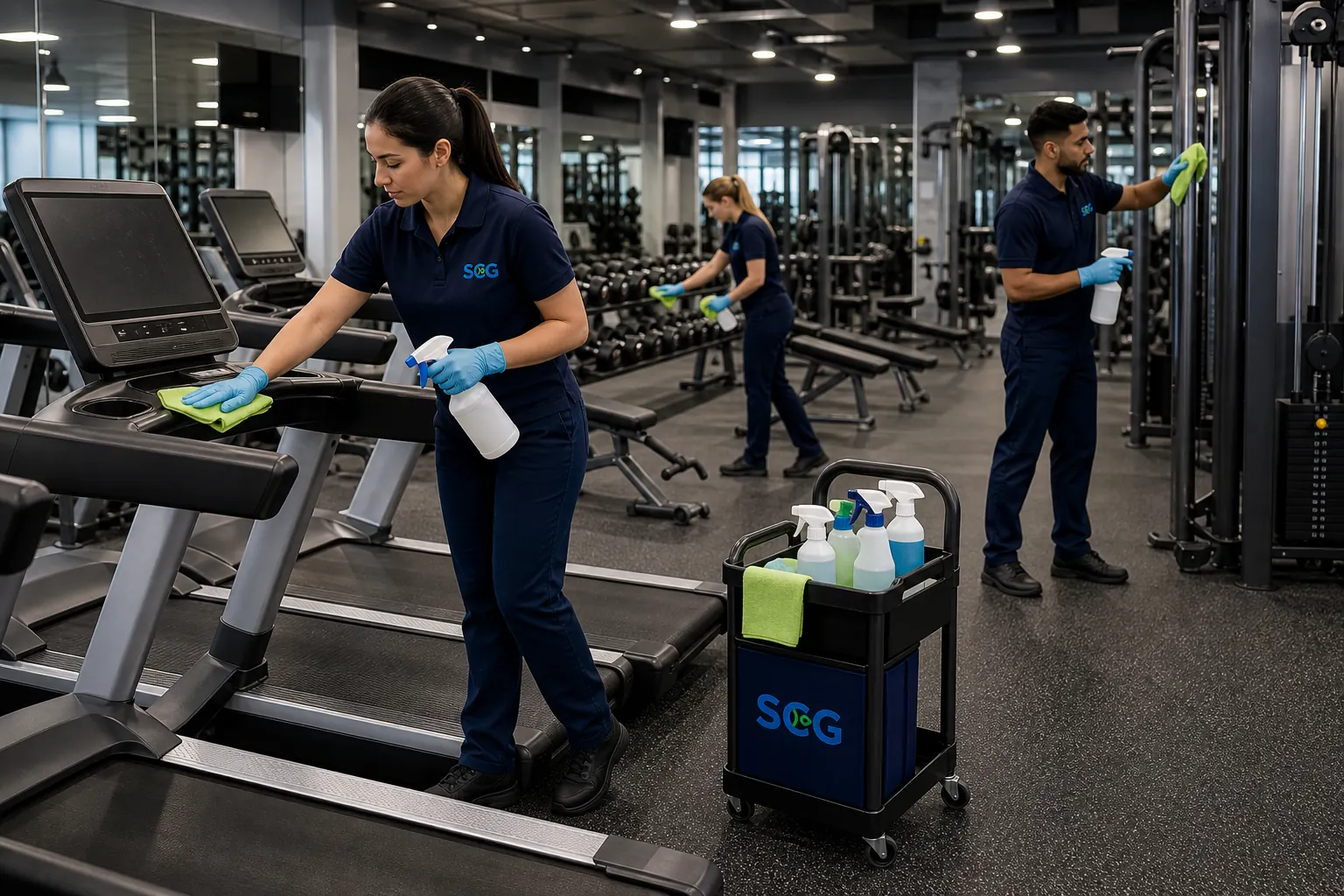
Sydney Clean Group provides specialised cleaning solutions tailored to the unique needs of gyms and fitness centres. We pay extra attention to high-contact areas such as weights, treadmills, mats, lockers, showers, and restrooms — ensuring your members have a safe and hygienic space to train.
Sydney Clean Group's gym cleaning services are designed to meet the high demands of modern fitness facilities. With a focus on health, hygiene, and customer satisfaction, Sydney Clean Group ensures that your gym remains a pristine, safe, and inviting space for all users.
Investing in professional gym cleaning is not just about maintaining cleanliness; it's about creating an environment that promotes wellness and motivates members to return.
Fitness operators inside mixed-use buildings often combine this with commercial cleaning Sydney so the tenancy and the common areas are held to one standard.
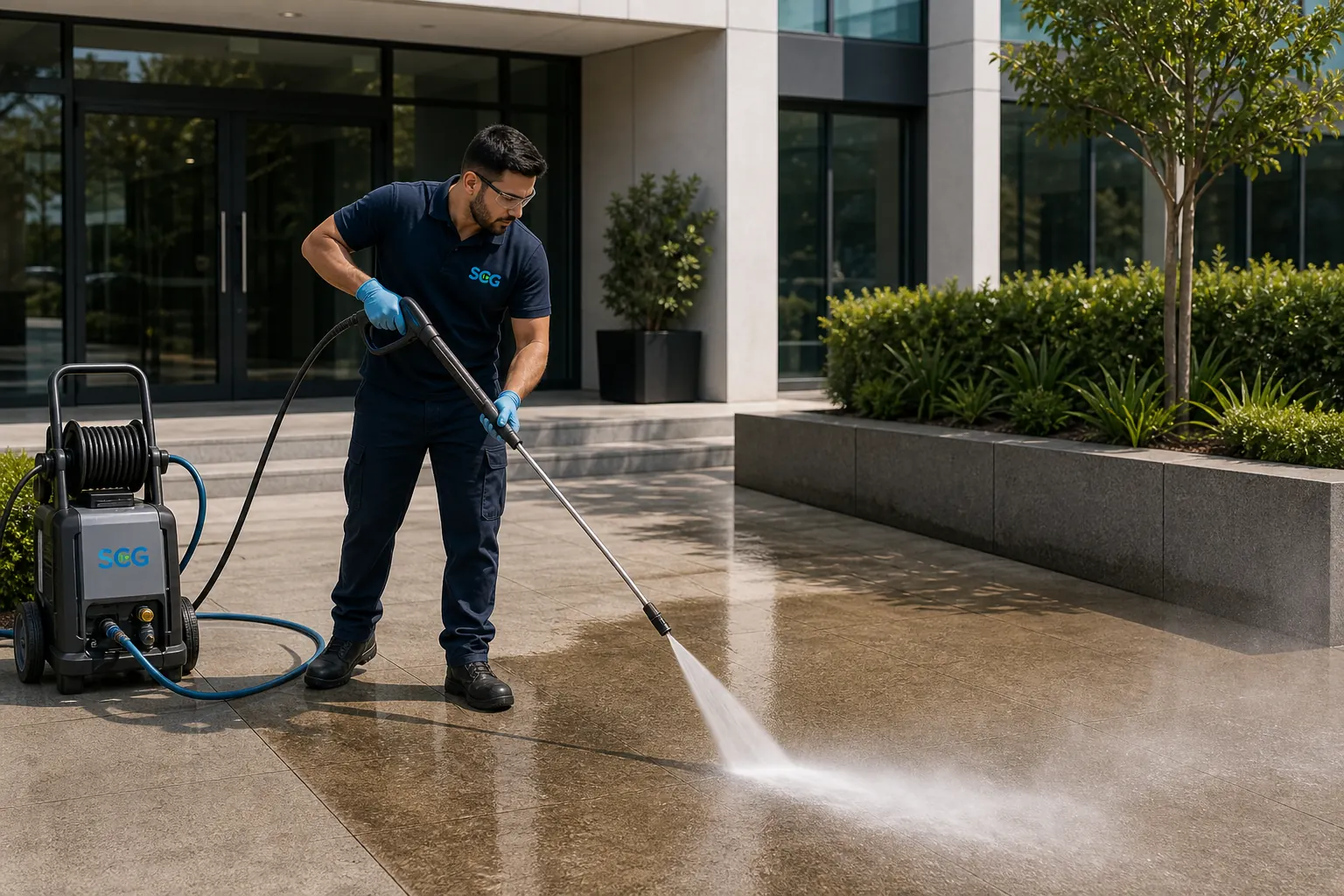
Every part of your facility.
Equipment Sanitisation
Regular disinfection of all gym equipment including weights, machines, mats, and cardio equipment — preventing the spread of germs and ensuring user safety.
Locker Room Maintenance
Thorough cleaning and sanitisation of locker rooms, including showers, lockers, and benches — maintaining a hygienic environment where members feel comfortable.
Floor Care
Specialised cleaning solutions for rubber mats, carpeted areas, and hardwood floors — safe methods to remove dirt, sweat, and bacteria from each surface type.
Ventilation & Air Quality
Cleaning air ducts and HVAC systems to ensure good indoor air quality — crucial for a comfortable and odour-free workout environment.
Custom Cleaning Schedules
Cleaning timetables created to fit around the gym's operational hours — minimising disruption to daily activities while maximising hygiene.
Advanced Cleaning Technology
State-of-the-art cleaning products that are effective yet safe for environments frequented by health-conscious individuals.
A cleaner gym is a better gym.
Health & Safety
Ensures a germ-free environment, reducing the risk of illness transmission among gym members and staff.
Increased Member Satisfaction
A clean, odour-free gym attracts and retains members, enhancing their overall experience and satisfaction — directly impacting your revenue.
Equipment Longevity
Regular cleaning and maintenance extends the life of gym equipment, reducing repair and replacement costs significantly.
Enhanced Reputation
A well-maintained gym boosts the facility's reputation, making it a preferred choice for existing and potential members in your area.
Equipment sanitising: the touchpoints that actually matter
Member perception of a gym is set almost entirely by what their hands touch. The list is short and predictable: dumbbell and kettlebell handles, barbell knurling and collars, machine grips, adjustment pins and seat levers, cable attachments and rope handles, bench and pad upholstery, cardio consoles, treadmill rails and rowing handles.
These need a daily pass at minimum, and a busy club needs a second pass through the free-weight area during the day. Self-service wiper stations help, but they only change behaviour partially — members reliably wipe the bench they lay on and almost never wipe the handle they gripped.
Upholstery is the item most often under-serviced. Vinyl pads take sweat directly and need a product that sanitises without cracking the surface, plus periodic deep cleaning. Split or perished vinyl cannot be sanitised at all and should be flagged for reupholstery rather than scrubbed harder.
Cleaning a 24-hour gym without closing the floor
A 24-hour club never has an empty building, only a quiet one. Cleaning is scheduled into the lowest-traffic window, typically the small hours, and run zone by zone so no more than one area is out of service at a time.
Sequencing matters more than speed. Change rooms first while nobody is in them, then the free-weight floor, then cardio, then the entry and reception. Quick-dry methods and clear signage keep wet floors from becoming a liability, and machines are wiped and returned to use immediately rather than left in a batch until the end.
After-hours access needs to be agreed up front: fob or code issuance, alarm handling, who is called if the site is found unsecured, and how staff sign in and out. For unstaffed clubs this is the part of the arrangement most worth getting in writing.
Floor care for rubber, vinyl, turf and timber
Rubber flooring dominates most gyms and is the easiest surface to ruin. It resists impact well but reacts badly to solvents, high-pH strippers and standing water, which leave it tacky, chalky or discoloured. Neutral-pH cleaner applied with a scrubber and controlled moisture is the method that holds up over years.
The invisible problem on rubber is dust. Chalk, rubber particulate and shoe grit build a fine layer that gets ground back into the surface underfoot, dulling it and carrying odour. Regular mechanical scrubbing removes what damp-mopping simply redistributes.
Other surfaces in the same room need different treatment. Vinyl in studios and corridors takes a standard commercial floor programme. Artificial turf sled tracks trap grit and need extraction rather than mopping. Timber lifting platforms and studio floors need minimal water and a finish-safe product. One mop bucket used across all four is how gym floors get destroyed.
Change rooms, showers and mould control
Change rooms decide more membership cancellations than the gym floor does. They combine constant moisture, warmth, bare feet and heavy traffic, which is precisely the environment mould and odour need to establish.
The work that matters is at the edges: grout lines and silicone in showers, the underside of benches, floor wastes and drain grates, the base of lockers, and the bottom rail of shower screens. Tiles look clean long after the grout has stopped being clean, and it is the grout that holds the smell.
Drying is the step most often skipped. Leaving tiled surfaces and benches wet at the end of a clean simply resets the clock. Squeegeeing and drying down, keeping extraction fans running, and clearing blocked floor wastes does more for mould control than any product on the market.
Where gym odour comes from and how it is removed
Gym smell is not sweat itself. It is bacteria metabolising sweat that has soaked into something porous and stayed there. The reservoirs are always the same: vinyl and fabric upholstery, exercise and stretch mats, rubber flooring, turf tracks, change room grout, and the inside of poorly ventilated storage cupboards.
Fragrance and air fresheners make the problem harder to locate without removing any of it. Actual removal means extracting mats and upholstery, mechanically cleaning flooring rather than damp-mopping it, deep cleaning grout and drains, and washing anything fabric that can be washed.
Airflow finishes the job. Blocked returns, filters that have not been changed, and equipment stacked in front of vents all keep humid air sitting in the room. Cleaning and ventilation have to be addressed together, because either one alone will not hold.
Boutique studios versus large fitness floors
A boutique studio and a large fitness floor look like the same industry and clean like two different ones. A reformer pilates, spin or boxing studio is dense with shared equipment — mats, straps, gloves, handles, reformer carriages — in a small footprint with classes running back to back.
That means two layers of service: a fast turnaround between classes handled by studio staff with the right products at hand, and a proper overnight clean covering floors, equipment detail, bathrooms and reception. The class turnaround only works if the products and cloths are set up in advance for it.
A large fitness floor is an area and volume problem instead: thousands of square metres of rubber, long cardio banks, multiple change rooms, and often a creche, pool or sauna attached. The scope is built around zones and machine counts rather than class timetables. Sydney Clean Group quotes both after a site walk — call 02 9139 8401.
Gym Cleaning — FAQs.
How often should gym equipment be sanitised?
Touchpoints need daily attention at minimum: dumbbell and barbell handles, machine grips and adjustment pins, cable attachments, bench upholstery, cardio consoles, rails and rowing handles. Busy clubs run a second pass through the free-weight area during the day. Member wiper stations help but do not replace a scheduled clean, because members reliably wipe the bench and rarely wipe the handle.
Can you clean a 24-hour gym without closing it?
Yes, and that is the normal arrangement for 24-hour clubs. The team works a low-traffic window, usually between midnight and early morning, moving zone by zone so only a small part of the floor is affected at a time. Wet floor signage, quick-dry methods on hard surfaces and cleaning change rooms first keep the site usable throughout. Access is by fob or code under an agreed after-hours protocol.
How do you clean rubber gym flooring without damaging it?
Rubber flooring is durable but chemically fussy. Harsh solvents, high-pH strippers and excessive water break down the surface and leave it sticky or chalky. The right approach is a neutral-pH cleaner applied with a scrubber, controlled moisture, and regular removal of the chalk and rubber dust that otherwise grinds back into the surface. Vinyl, turf strips and timber platforms each need their own method.
What causes gym odour and how do you get rid of it?
Gym odour is bacteria feeding on sweat that has soaked into porous materials — upholstery, mats, rubber flooring, turf and change room grout — combined with poor airflow. Masking it with fragrance makes it harder to find. The fix is removing the source: extracting mats and upholstery, mechanically cleaning flooring, deep cleaning change room grout and drains, and keeping ventilation and air returns clear.
How are change rooms and showers kept free of mould?
Mould needs moisture, warmth and time, and a gym change room supplies all three. Control comes from cleaning grout and silicone lines rather than just the tiles, clearing floor wastes and drains, drying benches and tiled surfaces at the end of the clean instead of leaving them wet, and keeping extraction fans running and unobstructed. Periodic grout detailing stops the slow build-up daily cleaning cannot reach.
Do you clean boutique studios as well as large fitness floors?
Both, though the scope differs. A boutique studio — reformer pilates, spin, boxing, small-group training — is equipment-dense with shared mats, straps and handles, and usually needs a fast turnaround between classes plus a thorough overnight clean. A large fitness floor is an area problem instead: more square metres of rubber, more machines, bigger change rooms and longer runs of cardio equipment.
What drives the cost of a gym cleaning contract?
The main drivers are floor area, equipment count, how many change rooms and showers there are, opening hours, and whether the site includes a pool, sauna, creche or studios. A 24-hour club needs an after-hours crew, which prices differently to a staffed-hours site. Periodic work such as rubber floor scrubbing, upholstery extraction and grout detailing is usually quoted separately.
Related fitness and tenancy cleaning.
Local gym and studio cleaning teams across Sydney.
Shopfront and tenancy cleaning for fitness retail spaces.
Reception, admin and staff areas attached to your club.
Find a commercial cleaning crew in your part of Sydney.
Get Started Today
Contact us today to schedule a free consultation and discover how our cleaning services can benefit you. Let us handle the cleaning so you can focus on what matters most.