
Carpet Stain Removal
Sydney.
An honest guide to what usually comes out of Sydney carpets and what often doesn't — why acting fast matters, why a DIY spot cleaner can make a stain worse, and why some marks reappear days after a clean.
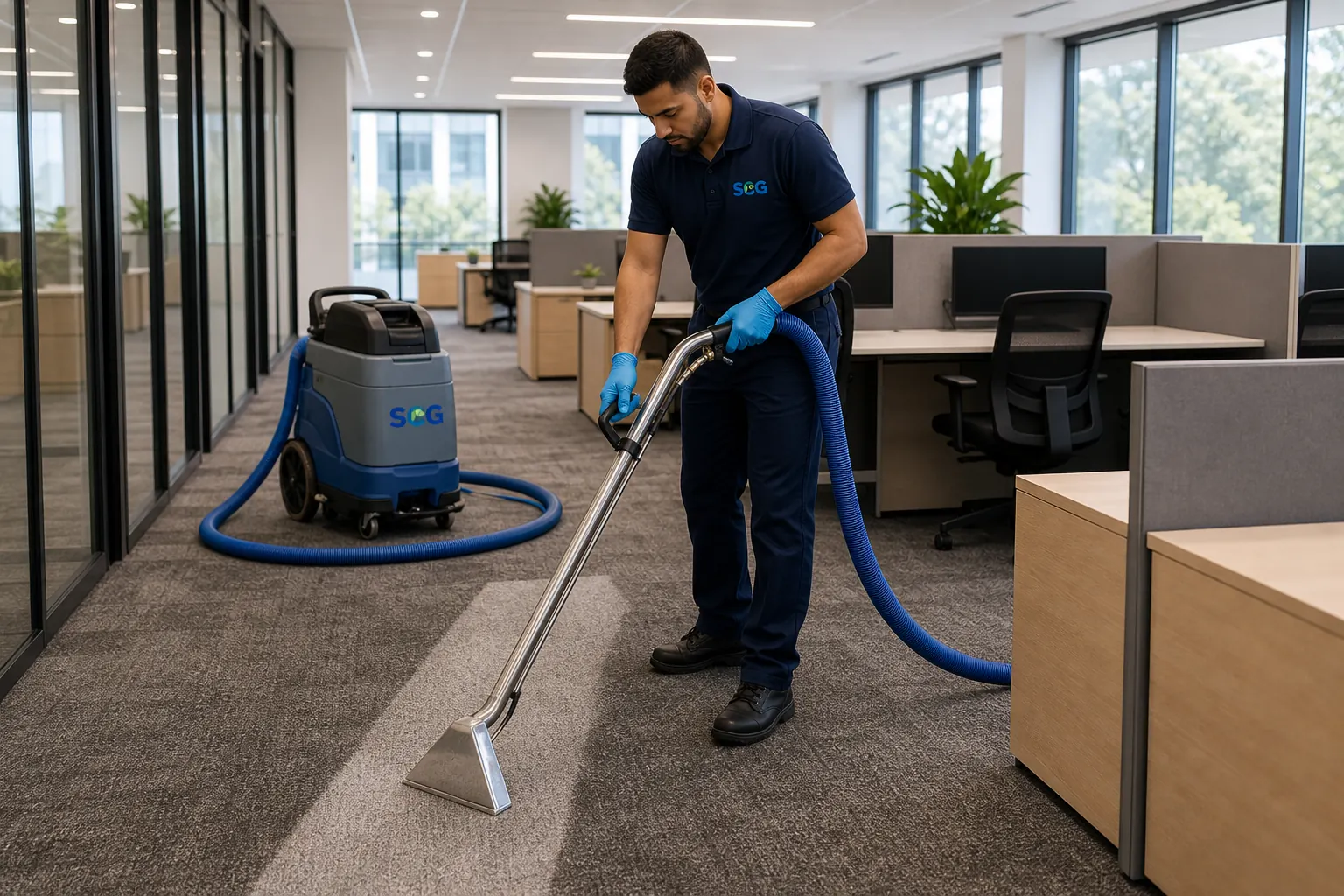
A stain and a soil are not the same problem.
Soil sits on and around a carpet fibre and comes out with proper extraction. A stain is a dye or a chemical change that has bonded to the fibre — or, in the worst cases, has stripped the fibre's own colour out entirely. The first is a cleaning problem with a good success rate. The second may not be fixable by any cleaning company, no matter how it's marketed.
This page focuses specifically on that distinction, stain type by stain type, because most carpet cleaning marketing blurs it. We would rather tell you honestly which category a mark falls into before we start than promise a guarantee we can't keep. If you want the general carpet cleaning service, booking and pricing, see our main carpet cleaning page.
Two things change the outcome more than anything else: how quickly it was addressed, and what has already been tried on it. A fresh spill treated within minutes has a far better outcome than the same spill discovered a week later, and a mark that's already had a supermarket spot cleaner and a hot iron used on it is frequently harder to shift than if nothing had been tried at all.
For scheduling and to book a technician for a fresh spill or a full carpet clean, find a local carpet cleaning crew near you.
Stain categories and realistic outcomes.
Usually Comes Out
Fresh coffee, tea, food and drink spills, mud, general foot-traffic soiling, and most pet accidents treated with reasonable dwell time.
Variable Outcome
Red wine and fruit-juice dyes on light synthetic fibre, curry and turmeric, aged pet accidents, and marks already treated with the wrong product.
Often Permanent
Bleach and strong-acid contact, heat and iron scorch marks, sun-faded patches, and set hair dye — these are colour loss, not soiling.
Wicking & Re-Appearing Stains
Marks that seem removed but resurface days later as residual moisture carries dissolved contamination back to the surface.
Underlay Contamination
Pet urine and large spills that have soaked through to the underlay, where the pile can be cleaned but the source odour and staining remain.
DIY Residue Damage
Detergent film and bleach-based spot cleaners that have already altered the fibre before a professional even sees the mark.
Why we won't promise a stain will disappear.
We Assess Before We Promise
Every mark is inspected and categorised before treatment starts, so you know the likely outcome before paying for anything.
We Won't Oversell Chemistry
Aggressive treatment for a marginal improvement can damage fibre permanently — we won't trade a small gain for a bigger loss.
Fast-Response Bookings
Speed matters more than almost any other factor, so we prioritise same-day attention for fresh spills where we can.
Enzyme Treatment For Pet Accidents
A treatment that breaks down the source of pet urine odour rather than simply masking it with fragrance.
Why speed matters more than the product you use
Every stain gets harder to remove the longer it sits, because dye and pigment continue bonding to the fibre for as long as moisture keeps it mobile. A red wine spill blotted and treated within the first ten minutes has a genuinely different, better outcome than the same spill left to dry overnight — not because a different product was used, but because the window for lifting it before it sets has closed.
The practical first-aid step for almost any fresh liquid spill is the same: blot, don't rub, working from the outside of the mark inward so it doesn't spread further, and remove as much liquid as possible before any product goes anywhere near it. Rubbing pushes the stain deeper into the pile and can damage fibre by abrasion on top of the staining itself.
Why a DIY spot cleaner can make things worse, not better
Most supermarket carpet spot cleaners are surfactant-based detergents, and surfactants leave a sticky residue behind once the water carrying them evaporates. That residue doesn't disappear — it sits in the fibre and acts like double-sided tape for the next round of dust and soil, which is why a spot that was cleaned at home often re-soils and looks dirty again faster than the untouched carpet around it.
Bleach-based and strongly alkaline household cleaners carry a bigger risk again: on many synthetic and wool carpets they can strip colour outright, turning a soil problem into permanent colour loss. Heat is a related trap — using a hot iron and a cloth to "lift" a stain, a method still circulated online, can set certain dyes permanently and scorch synthetic fibre. If you've already tried something on a stain, telling us exactly what was used matters, because it changes what we can safely attempt next.
Wicking and stains that reappear after a professional clean
A stain that seems to vanish during cleaning and then reappears over the following one to three days as the carpet dries is almost always wicking — residual moisture deeper in the pile or underlay migrating upward through capillary action and carrying dissolved staining material back to the surface as it evaporates. It looks like the treatment failed; what's actually happened is that the visible stain was only ever the tip of a larger contamination sitting lower in the pile.
This is most common with large spills, pet accidents and stains that had already soaked in before any cleaning began. The fix is a second, more thorough extraction pass targeting that area specifically, sometimes combined with weighted absorbent pads placed over the spot after cleaning to draw the moisture — and residual contamination — up and out before it can wick back to the surface as the carpet dries naturally.
Pet urine and underlay contamination
Fresh pet urine treated quickly with an enzyme cleaner, which breaks down the uric acid crystals that cause the smell rather than just masking them, generally has a good outcome. The harder problem is older or repeated accidents that have soaked through the carpet backing into the underlay and, in some cases, the subfloor beneath it.
Once contamination has reached the underlay, the carpet pile itself can be cleaned perfectly and the smell can still return as humidity rises, because the source is sitting underneath rather than in the fibre being treated. Being honest about this matters: the real fix in that situation is treating or replacing the affected underlay, not repeated attempts at cleaning a pile that was never the actual problem.
What genuinely does not come out, and why
Bleach contact, strong acid damage, sun fading and scorch marks from heat are not stains in the cleaning sense at all — they are the loss of the fibre's own dye or the physical alteration of the fibre itself. No amount of extraction, chemistry or agitation restores colour that has been chemically stripped or a fibre that has been physically altered by heat, because there's no soil left to remove — the damage is to the material, not on top of it.
We will tell you this plainly rather than run an extended treatment that can't succeed. In cases like these the only genuine remedies are professional re-dyeing where the carpet type allows it, or a patch repair using carpet from an inconspicuous area such as a wardrobe.
What to do in the first ten minutes, before we arrive
Blot with a clean white cloth or paper towel, working inward from the edge of the spill — never rub. Remove solids gently with a spoon rather than smearing them further into the pile. Avoid reaching for a household cleaning product, particularly anything containing bleach or ammonia, since the wrong chemistry can set a stain that would otherwise have come out cleanly.
Call 02 9139 8401 as soon as practical — same-day attention meaningfully improves the odds on most fresh spills. Sydney Clean Group is based at 77 Garfield Street, Wentworthville NSW 2145 and covers Greater Sydney for both scheduled cleaning and fast-response stain treatment.
Carpet Stain Removal Sydney — FAQs.
Can carpet stain removal guarantee a stain will come out?
No honest cleaner can guarantee every stain, and we won't. Fresh food, drink and most pet accidents usually respond well. Bleach damage, sun fading and scorch marks are colour loss rather than soiling and cannot be reversed by cleaning. We assess each mark and tell you the realistic outcome before starting.
Why does acting quickly matter so much for stain removal?
Dye and pigment keep bonding to the fibre for as long as moisture keeps it mobile, so a stain gets progressively harder to shift the longer it sits. A spill treated within minutes has a meaningfully better outcome than the same spill left overnight.
Can a DIY spot cleaner make a stain worse?
Yes. Most supermarket spot cleaners leave a sticky detergent residue that attracts future soil, and bleach-based or strongly alkaline products can strip colour permanently on some carpets. Using a hot iron to lift a stain can set the dye and scorch synthetic fibre. Tell us if something has already been tried, since it changes what we can safely attempt.
Why did my stain come back a few days after cleaning?
This is usually wicking — moisture deeper in the pile or underlay migrating to the surface as the carpet dries and carrying dissolved contamination with it. It means the visible stain was only the top of a larger contamination lower down, and it needs a targeted second extraction pass rather than a fresh clean of the same visible spot.
Can you remove pet urine stains and odour?
Fresh accidents respond well to enzyme treatment, which breaks down the source of the odour. Older accidents that have soaked into the underlay are harder — the pile can be cleaned perfectly and the smell can still return, because the contamination is underneath rather than in the fibre itself. In that case the underlay usually needs treatment or replacement.
What carpet stains are genuinely permanent?
Bleach and strong acid contact, sun fading and iron or heat scorch marks. These involve the fibre's own colour being destroyed or the fibre being physically altered, so there's no soil left to remove. Re-dyeing or a patch repair are the only remedies where the carpet allows it.
What should I do immediately after a spill, before a cleaner arrives?
Blot — never rub — working from the outside of the mark inward, lift solids with a spoon rather than smearing them, and avoid household cleaners containing bleach or ammonia. Call 02 9139 8401 as soon as practical, since same-day attention meaningfully improves the outcome on most fresh spills.
Related carpet and cleaning services.
The method and equipment behind our carpet cleaning service.
Booking, scope and pricing for a general carpet clean.
Where stain assessment fits into a vacate carpet clean.
How carpet cleaning and stain treatment are typically quoted.
Get an honest assessment of your carpet stain.
Fast-response bookings for fresh spills, and a straight answer on what will and won't come out.